£10.20
/
About our Goodery Decaffeinated Speciality Coffee
Our organic speciality coffee is zero waste and carbon neutral. When brewed properly, it can be a bit like magic. We carefully select a different roaster each month that meets our high standards for excellent coffee that cares for people and the planet. We search for the very best and most flavourful decaf so you can carry on enjoying the joys of coffee without the effects of caffeine. Please return the tins so we can further reduce our impact on the environment!
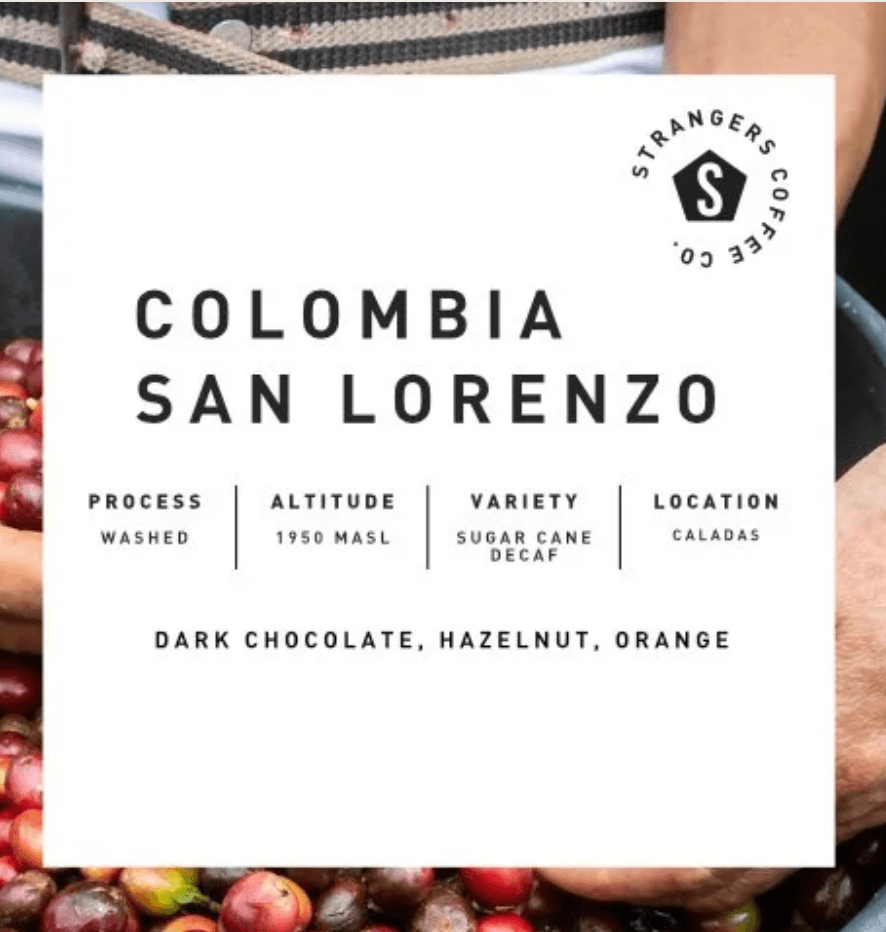
Our current decaf: Stranger's San Lorenzo Indigenous Coffee
Part of the Cooperativa de Caficultores de Alto Occidente de Caldas, established in 1964, the San Lorenzo indigenous group hails from the Rio Sucio municipality in Caldas. This community of 11,500 people includes 1,150 coffee farmers spread across 21 communities. Historically, this region was controlled by FARC, ELN, paramilitary groups, and guerrillas. As tensions ease and access improves, the region's specialty coffee potential is now being realized.
Sustainable Coffee Farming Practices
The indigenous inhabitants, who revere Pacha Mama, see the land as a living being and strive to minimize their environmental impact. Each farmer cultivates around 0.5 hectares of land, maintaining approximately 2,500 coffee trees. During harvest, families collaborate to select ripe cherries, which are then de-pulped and fermented in water for 16-24 hours. The coffee is washed and dried on small patios, typically on rooftops, for 8-14 days. Once dried, it is delivered to the Cooperative for assessment, categorization, and milling before shipment.
The Sugar Cane Decaf Process
The decaffeination process starts with steaming the coffee at low pressures to remove silver skins. The beans are then moistened with hot water, preparing them for caffeine hydrolysis. Natural ethyl acetate, derived from sugar cane fermentation, washes the moistened coffee multiple times to reduce caffeine levels. The coffee is cleaned of residual ethyl acetate using low-pressure saturated steam.
Next, the beans are dried to 10-12% moisture content in vacuum drying drums and quickly cooled to ambient temperature using fans. Finally, a carnauba wax coating is applied to protect the coffee from environmental conditions and enhance stability. The coffee is then packed into 35kg bags, ready for export.

Bean Variety
Caturra, Typica, Mundo Novo, Catimor
Process
Washed, Organic,
Swiss Water Decaf
Altitude
1500-2000 Masl
Region
Cajamarca,
San Ignacio
Roaster: Horsham
We're working with Horsham Coffee Roasters, a speciality coffee roaster in Horsham, England who roast the beans to bring out the best in their beans. All of Horsham's beans are:
- Seasonal
- 100% traceable
- Superior quality according to high SCA standards
Horsham’s roasting approach opens up the full potential of the bean by accentuating the unique taste profile for each coffee. So grind up some beans and brew. Give it a smell. Let it cool down and enjoy a cup of organic Ethiopian goodness!

The difference of speciality and organic
For many coffee is just a daily dose of caffeine, but we see it as an opportunity to become truly present, to connect with something special and to support an art form that provides economic and environmental resilience for farming communities around the world.
High quality organic coffee grown to speciality standards is something truly unique. We’ve been amazed at the diversity and complexity of flavour when it’s grown, roasted and brewed with care.
There’s something profound that happens when you get the right bean, at the right grind size, with the right temperature water and the right dose. It’s like magic.


